


So, you have a hobby, a passion that you love, and maybe you are thinking, “I would love to turn this into a side hustle, or even better, my own, real small business that will earn real money.”
After all, everyone else seems to be doing that these days, right? And yes, if you are thinking that, you are right. According to DollarSprout, almost 70% of all adults now have some sort of side business these days.
And, while that sort of enthusiasm is good and important, it is not nearly enough. To take a hobby and turn it into a viable, profitable small business requires following a certain, well-trod path.
What path is that?
Glad you asked! Read on for the steps.
1. Do your homework and make sure it is actually a viable idea
One of the biggest mistakes new entrepreneurs make is that they don’t vet their “great idea.” You see this on the TV show Shark Tank sometimes; those entrepreneurs sink a ton of money into an idea or product that they are convinced is needed, but, as the Sharks explain, is actually something no one wants and/or will pay money for.
Why a Business Credit Card Could Transform Your Small Business
These business credit cards that offer a convenient and efficient way to separate personal and business expenses, simplifying accounting and tax reporting.
Additionally, business cards can provide valuable perks such as rewards points, cashback, and expense tracking tools, enhancing financial management and the potential to help save money in the long run.
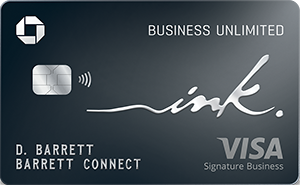
Ink Business Unlimited® Credit Card |
Earn $750 bonus cash back Earn $750 bonus cash back after you spend $6,000 on purchases in the first 3 months from account opening. |
Earn unlimited 1.5% cash back on every purchase Earn unlimited 1.5% cash back on every purchase made for your business |
Purchases: 0% Intro APR on Purchases, 12 months Balance Transfers: N/A
Regular: |
|
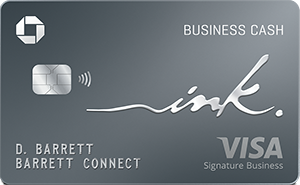
Ink Business Cash® Credit Card |
Earn up to $750 bonus cash back Earn $350 when you spend $3,000 on purchases in the first three months and an additional $400 when you spend $6,000 on purchases in the first six months after account opening. |
Earn 5% cash back in select business categories Earn 5% cash back on the first $25,000 spent in combined purchases at office supply stores and on internet, cable and phone services each account anniversary year. Earn 2% cash back on the first $25,000 spent in combined purchases at gas stations and restaurants each account anniversary year. Earn 1% cash back on all other card purchases with no limit to the amount you can earn. |
Purchases: 0% Intro APR on Purchases, 12 months Balance Transfers: N/A
Regular: |
We don’t want to be like those people.
So, long before jumping in, research your idea thoroughly. Are there other people who are successfully selling similar products or services? If so, that is a good sign — it shows there is a market for your proposed business.
While there is a time to be an innovator and leader, this is not that time. Get your feet wet first. Learn the ropes of entrepreneurship. Then, next time, you can innovate.
Next, evaluate the market and the competition. Conduct surveys and even talk to potential customers. The key is to validate your idea by ensuring there is a real market need for what it is you want to sell.
2. Test
Along the same vein, instead of going all-in, start by testing your idea. Try offering your product or service to a limited audience, perhaps at a local market or online through platforms like Etsy or eBay. What we are trying to do here is two-fold:
- We want to minimize your risk, and
- We want to make sure you have a winner of an idea
You do that by testing, seeing what works, seeing what doesn’t, pivoting, and then, and only then, getting ready to launch. By gathering feedback and making necessary improvements, you avoid risking significant time or money in a plan that doesn’t have legs.
3. Handle the nuts and bolts
Once you have validated your idea, it is time to set up the business’s infrastructure. You need to register your business name with your state and city, get the proper licenses or permits, open up a bank account in the name of the business, set up an accounting system, and decide on a legal structure (like an LLC or sole proprietorship).
These steps are crucial to forming a legit small business and protecting your assets.
4. Start small
It’s tempting to go big from the start — launch a website, hire designers, spend a lot on advertising, and so on. But resist that urge.
Instead, work to keep your overhead low by using free or low-cost tools and services. Use social media to promote your new business, create a simple website using free or affordable platforms, and rely on word-of-mouth marketing.
5. Go for low-hanging fruit first
When just starting, aim for easy wins. You can do that by focusing on low-hanging fruit — meaning, customers who are most likely to buy from you. These first customers are invaluable; they not only provide much needed revenue, but also can offer valuable feedback and testimonials that will help you attract more clients.
So go ahead, tap into your existing network of friends and family, target a niche market that aligns with your hobby, and start selling!
6. Be adaptable and keep learning
Your business should evolve as you learn more about your market and customers. The key then, especially early on, is to stay adaptable and be ready to pivot or tweak your offerings based on feedback and results.
Becoming an entrepreneur is fun and exciting, but what is even better is becoming a successful one. You do that by starting slow and small, learning your business, and then going for it. Good luck!